A garage door is among the largest relocating parts on any type of building, and the product you select impacts much more than curb allure. It changes just how the door takes care of heat, chilly, moisture, dents, salt air, daily use, and years of opening and closing. It also forms the type of maintenance you will cope with, the weight your equipment need to sustain, and the long-term expense of ownership.
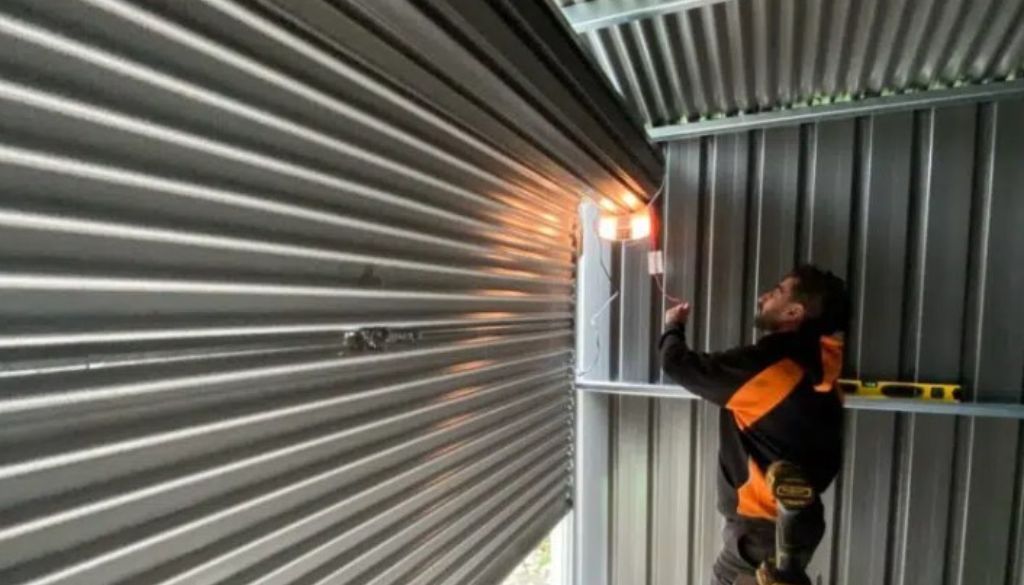
That last factor obtains ignored. Several homeowners concentrate on the acquisition rate and design, then invest years spending for painting, panel repair services, distorted areas, loud procedure, or premature hardware wear. In industrial settings, the effects are also sharper. The wrong material can slow operations, boost downtime, and develop a constant stream of service ask for industrial garage door repair.
I have actually seen gorgeous timber doors stop working early since they were set up on west-facing garages with ruthless afternoon sun and no overhang. I have also seen moderate steel doors last longer than expectations since the homeowner picked the ideal scale, added insulation, and stayed on par with standard upkeep. Product choice is seldom about what looks best in a display room. It has to do with matching the door to the building, the environment, and the means the door will actually be used.
Start with the task the door needs to do
Before contrasting steel versus timber or light weight aluminum against fiberglass, it assists to specify what the door is being asked to do. A removed country garage made use of two times a day has different demands than a workshop with deliveries, or a commercial bay that cycles dozens of times before lunch.
For a common home, the material choice usually boils down to balancing look, insulation, maintenance, and budget. If the garage shares a wall surface with living area, insulation and noise issue more. If the garage faces the street, look might bring more weight. If you live in a hail-prone location, influence resistance issues. Near the shore, rust jumps to the top of the list.
For a warehouse, solution shop, or mixed-use building, the discussion adjustments. Cycle count, panel sturdiness, speed of procedure, and repairability come to be main. A lighter door might reduce strain on the driver, however if it damages too easily in an active loading area, the savings go away quickly. Product affects not just the door itself, however additionally the springs, tracks, hinges, and the garage door opener chosen to handle the load.
That is why good garage door setup begins with concerns, not catalog pages. Just how commonly will the door open daily? Is the garage warmed or cooled down? Is the framework exposed to salt, wind, or straight sun? Is silent operation important? Are you attempting to match historic style, or is this a utility-first opening where durability matters most?
Steel, the functional default for numerous homes
Steel remains the most usual option in household benefit good reason. It is versatile, widely available, affordable, and offered in a series of designs from plain raised-panel doors to carriage-house layouts with convincing woodgrain surfaces. For lots of property owners, steel strikes the very best middle ground.
The biggest advantage is worth. A durable steel door can offer you strong architectural performance without the cost of real timber or premium compounds. It can likewise be shielded efficiently, which matters if the garage is affixed to your home. Many contemporary steel doors are built with one, 2, or 3 layers. Single-layer doors are lighter and cheaper, yet they can appear tinny and deal little thermal efficiency. Dual- and triple-layer models, typically with foam insulation sandwiched in between steel skins, feel stronger and operate even more quietly.
Gauge matters greater than many purchasers recognize. Thicker steel typically withstands nicking much better, though building and construction information likewise matter. On household garages where bikes, rounds, trash can, and bumpers all complete for space, dent resistance is not an academic worry. Slim steel panels might look fine on day one and tired within a few seasons.
Steel does have vulnerabilities. If the finish gets scratched to bare steel, corrosion can begin, specifically in damp or salted settings. Reduced panels are especially in jeopardy since they catch road spray and standing water. I typically inform individuals that steel is forgiving, yet not unyielding. Maintain the surface intact, wash it occasionally, and deal with chips early.
For home owners that expect very little maintenance and want wide style selection, steel is usually the initial material worth taking into consideration. It also sets well with a wide variety of openers, from fundamental chain-drive units to quieter belt-drive systems. If the door is shielded and effectively balanced, a standard household garage door opener can deliver years of reputable service without being overworked.
Wood, unmatched personality with real upkeep demands
Wood has a presence that products still have a hard time to duplicate completely. On specific homes, especially artisan, carriage-style, or custom-made style, a wood garage door can change the whole exterior. It brings depth, grain variant, and a richness that repainted steel prints can not fully simulate up close.
That appeal includes responsibility. Wood moves with moisture and temperature. It can swell, reduce, crack, or warp if the coating stops working or if the door is revealed to duplicated wetting and drying out. In dry climates with intense sun, panels might examine or discolor. In damp climates, ignored sides and joints can take in water and deteriorate.
Weight is an additional major element. Strong timber doors are hefty. Even wood overlay doors on shielded cores can consider substantially greater than similar steel versions. That added mass impacts springtime sizing, track equipment, and opener selection. A door that looks stunning but is under-supported will produce issues rapidly. I have walked into more than one work where the noticeable issue seemed to be a battling opener, yet the real culprit was a hefty wood door coupled with undersized springtimes. In those cases, garage door spring substitute is not a side note. It is central to making the system risk-free and functional.
Wood also asks more of the owner. Paint or discolor routines are not optional if you want the door to last. South- and west-facing exposures often tend to age faster, and bottom rails demand careful interest. If a home owner enjoys the appearance of wood but does not desire seasonal maintenance, I frequently guide the discussion towards faux-wood steel or composite alternatives.
Still, when the setup is best and the proprietor understands the commitment, timber continues to be among the finest products available. It is not the easiest option, but in the best home, it can be the most satisfying.
Aluminum, light weight and modern-day lines
Aluminum has made a strong location in modern style, particularly for full-view doors with glass panels. It is light, clean-looking, and normally resistant to corrosion, that makes it eye-catching in coastal areas and on modern-day homes where slim frames and big glazing areas belong to the architecture.
Its light weight can be a real benefit. Less door weight normally suggests less pressure on springtimes and drivers, though the door still requires appropriate balancing and great hardware. A lighter door can also really feel smoother in operation when the installation is done correctly.
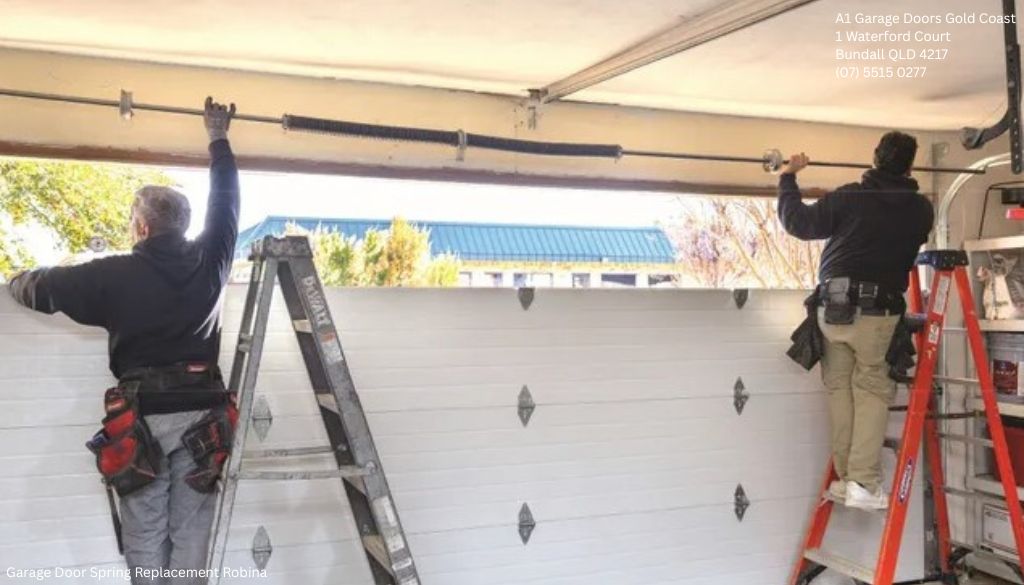
The compromise is damage resistance. Light weight aluminum is softer than steel, and in energetic household garages or busy service locations, that issues. A basketball or a negligent bumper that may leave a little mark on thick steel can crease aluminum extra noticeably. For that reason, I often suggest aluminum much more confidently when design is driving the decision and the danger of impact is lower.
Glass setup matters also. Full-view light weight aluminum doors can flood a garage with natural light, which is a major advantage for workshops, studios, and showrooms. Yet glass choices influence personal privacy, warm gain, and energy efficiency. Frosted, tinted, or insulated glass can assist, though each adds price and changes the look.
In certain industrial applications, light weight aluminum can make good sense for visibility and rust resistance, but not every opening take advantage of a lighter, a lot more dent-prone product. Where forklifts, carts, or rush hour are involved, sturdiness often outweighs aesthetics.
Fiberglass and plastic, beneficial in certain climates
Fiberglass and vinyl are not as widely preferred as steel, however each can address particular problems.
Fiberglass can mimic wood grain fairly well from a distance and withstands salt-air deterioration much better than bare steel. That offers it a target market in seaside regions. It is additionally lighter than numerous wood doors. The drawback is that fiberglass can end up being fragile with age or in extremely cold weather, relying on product top quality and climate. A door that performs properly in one area might not stand up the same way elsewhere.
Vinyl often tends to stand up to dents and moisture better than lots of people anticipate. It can be a useful selection for households that want a low-maintenance surface and do not require a deluxe look. Color choices and design flexibility are typically extra restricted, and lower-cost plastic products can feel less significant. But in damp atmospheres, or in homes where utility outs perform status, vinyl may be a clever fit.
These materials have a tendency to carry out ideal when assumptions are reasonable. They are not global replacements for steel or timber. They are specific niche options that can radiate in the ideal context.
Composite doors, the middle path several customers wind up preferring
Composite products have actually enhanced considerably over the last decade. Numerous incorporate timber fibers, resins, steel frameworks, and protected cores to develop doors that supply a few of the warmth of wood without demanding the exact same degree of upkeep. For home owners that desire a carriage-house appearance however dread sanding, staining, or repainting, composite frequently comes to be the compromise that really feels the very least like a compromise.
The toughness are understandable. Composite doors generally stand up to warping better than all-natural wood, can be extra stable across seasons, and typically consist of strong thermal construction. Some items are convincing enough that neighbors assume they are repainted or stained timber until they get close.
The caution is that composite top quality varies. Not every faux-wood surface ages gracefully, and not every producer builds to the very same criterion. I would certainly much rather mount a durable insulated steel door with a sensible woodgrain coating than a low-grade composite that looks tired after a few years. The classification is strong, yet item option matters.
Insulation, weight, and the concealed mechanical impact
One of the biggest errors individuals make is dealing with the door panel product as different from the operating system. It is not. A garage door is a system, and the product modifications how the remainder of that system requires to be designed.
Heavier materials need more powerful springtimes and garage door repair Southport QLD often an extra capable opener. Added insulation enhances comfort and sound control, yet it also adds weight. Attractive overlays look excellent, however they can shift a door from very easy procedure right into a variety where spring estimations end up being much less flexible. When a door is not balanced appropriately, the opener winds up doing work the springtimes should take care of. That shortens the life of the motor, equipments, and rail components.
I have seen property owners replace a garage door opener because the old one appeared weak, only to uncover that the genuine issue was inaccurate springtime stress on a larger replacement door. The opener was never the core issue. Correct garage door installation indicates matching the hardware to the precise door arrangement, not just the opening size.
If a door really feels abnormally heavy by hand, goes down swiftly, or has a hard time partway through travel, that is a solution problem, not just an aggravation. In homes, that commonly turns into an ask for residential garage door repair. In company setups, it can become a functional interruption that requires quick industrial garage door repair to maintain cars and personnel moving safely.
Climate often makes a decision more than design does
Climate is one of the clearest overviews to product selection, yet it is still underweighted in numerous acquiring choices. A good-looking door that battles the environment on a daily basis will certainly cost much more in the lengthy run.
In coastal regions, rust resistance ought to be near the top of the list. Aluminum, fiberglass, vinyl, and very carefully finished steel all have duties below, however revealed unattended steel parts can wear away quickly in salted air. Hardware quality becomes equally as essential as panel material.
In cold environments, insulation and seal quality are worthy of severe attention. The material needs to support a stable protected building that limits drafts and lowers condensation problems. If the garage is attached to the home, this can impact convenience in rooms close by and reduce stress on home heating systems.
In hot, sunny areas, UV exposure and warmth accumulation matter. Dark doors soak up even more warm. Wood finishes can age much faster. Polished light weight aluminum doors can transform a garage right into a greenhouse if the glass is not picked carefully. Even steel can end up being uncomfortably warm to the touch, though that is much more an individual comfort concern than a structural flaw.
In storm-prone areas, architectural reinforcement might outrank all various other problems. The very best product is the one that satisfies neighborhood wind-load needs and has actually proven equipment to back it up. In some cases that implies jeopardizing on a favored aim to acquire a more secure system.
Matching material to the building type
Homes and industrial buildings might both use overhead doors, but the appropriate product is usually various due to the fact that the usage pattern is different.
For most homes, the choice has a tendency to focus on steel, wood, or compound. Affixed garages benefit from shielded construction. Street-facing garages warrant even more interest to layout. Removed utility garages can lean extra greatly on practicality and price.
Commercial residential properties frequently focus on sturdiness, serviceability, and cycle efficiency. A door at a repair shop, self-storage center, delivery bay, or fleet building will see use that most homes never experience. That transforms the product discussion. The panel that looks best in a brochure may not be the panel that endures carts, devices, weather condition exposure, and constant operation.
A helpful way to think of it is this:
|Concern|Product often worth considering||-- |--|| Cheapest upkeep for many homes|Shielded steel|| Premium conventional appearance|Wood or high-end composite|| Modern full-view design|Light weight aluminum with glass|| Dampness and salt exposure|Light weight aluminum, fiberglass, plastic, secured steel|| High-use functional openings|Commercial-grade steel systems|
That table is a starting factor, not an alternative to site problems. Hardware quality, door thickness, insulation technique, surface, and installer skill still decide a lot.
A brief sensible filter prior to you commit
If you are narrowing options, this fast framework usually brings quality:
Decide how much maintenance you will honestly tolerate over five to 10 years. Match the product to your environment before you match it to your favored photo. Ask regarding total door weight and confirm the springtime and opener sizing. If the garage is connected, deal with insulation and sound as significant elements, not extras. For commercial usage, concentrate on cycle needs and repair work downtime before appearance.Those five factors eliminate numerous costly mistakes.
Where repair services go into the picture
Material selection does not remove future solution needs, but it strongly affects what those needs look like. Steel doors typically require attention for dents, corrosion areas, or worn weather condition seals. Wood doors might require redecorating, panel fixing, or adjustment of movement-related issues. Aluminum doors can suffer frame or panel dents. Any type of product can develop equipment wear, cable television concerns, track misalignment, or springtime fatigue.
This is where the language of garage door repair comes to be practical, not common. A home owner calling for property garage door repair may in fact be taking care of a material-related problem that has affected the equilibrium or positioning of the system. A company requesting commercial garage door repair may discover that duplicated impacts on a lighter panel material are creating a lot more downtime than anticipated. An ask for garage door spring substitute frequently traces back to a heavier-than-assumed door or one that cycles even more commonly than the original layout anticipated.
Good installers assume a number of years in advance. They do not simply ask whether the door will certainly fit and look excellent. They ask what is likely to damage very first, exactly how very easy it will certainly be to solution, whether areas can be replaced individually, and whether the selected garage door opener will still be appropriate after the product, insulation, and attractive package are finalized.
The surface matters nearly as long as the base material
People usually discuss the door product as though it acts alone, yet the coating is part of the efficiency story. A top quality finish safeguards steel from rust. A well-applied paint or tarnish safeguards timber from wetness and sunlight. UV-resistant surfaces aid maintain color and look on artificial materials.
This is one area where acquiring the most affordable version of a good material commonly lets down. Slim coatings discolor faster. Lower-grade paint systems chalk faster. Attractive laminates can peel or weather improperly if they are not developed for regional problems. When comparing quotes, it is worth asking not just what the door is constructed from, however just how it is finished, what guarantee applies to that coating, and what upkeep the manufacturer expects.
What I would certainly choose in common real-life scenarios
For a connected suburban garage where comfort, spending plan, and reduced maintenance issue, I would normally lean toward a protected steel door with a long lasting baked-on finish and a quiet belt-drive garage door opener. It is hard to beat the well-rounded practicality.
For a historic or architecturally unique home where aesthetic authenticity matters most, timber may still be the best solution, offered the owner approves the upkeep and the hardware is crafted for the weight.
For a seaside home, I would beware with common steel unless the protective systems are robust and the proprietor is dedicated to upkeep. Aluminum or an additional corrosion-resistant alternative usually makes even more sense.
For a modern-day home with solid building lines, light weight aluminum and glass can look extraordinary, yet I would go over personal privacy, insulation, and effect risk early, prior to any individual falls in love with the look alone.
For an active solution structure or stockroom, I would commonly prefer commercial-grade steel selected for cycle life and repairability over lighter aesthetic options.
The right product is the one that fits your conditions
The ideal garage door product is hardly ever one of the most costly or one of the most captivating. It is the one that matches the climate, the structure, the everyday workload, and the proprietor's resistance for maintenance. A thoughtfully picked steel door can outperform a disregarded timber door. A costs compound might supply the look a homeowner desires without the upkeep they understand they will prevent. A modern light weight aluminum system might be perfect in one setup and a dented regret in another.
That is why material choice must never be rushed. Ask just how the door will mature, not simply exactly how it will look on installation day. Ask what it considers, what springs it needs, just how it affects the garage door opener, and what common repairs are likely with time. If those inquiries are answered clearly, the ideal option generally comes to be obvious.
When the product matches the genuine needs of the home, garage door installation ends up being a lasting renovation instead of a short-lived upgrade. And that is the difference between a door that simply fills an opening and one that does reliably for years.