A garage door is commonly treated as a background attribute till a significant weather condition event examines it. That is normally when its real role becomes apparent. In solid wind, the garage door is not simply a relocating panel at the front of your home, it becomes part of the building envelope. If it fails, the stress modifications inside the home can be extreme enough to damage wall surfaces, ceilings, roof covering cladding, and contents, while broken components can turn into hazardous particles. That is a serious truth in cyclone-prone components of Queensland, but the lesson brings weight anywhere tornados bring high winds, flying particles, and long term rain.
Storm strength begins with understanding that not every garage door is developed for the very same task. A door that functions well in a light climate may not use enough toughness, fastening efficiency, or deterioration resistance for coastal and wind-exposed areas. The upgrade conversation is consequently not just about convenience or appearance. It has to do with matching the door, the opener, the equipment, and the maintenance program to the risks around the property.
Why the garage door is entitled to even more interest than it usually gets
People usually focus on the roof covering, home windows, and outside doors when planning for severe climate. Those are very important, but the garage door is a large opening and one of the most vulnerable points in a house. If a storm taxes that opening and the door paves the way, the remainder of the building can be exposed to pressures it was never meant to absorb.
Queensland assistance is blunt on this factor. In cyclone-prone areas, garage doors require to meet wind-rated needs, and older doors might not have enough toughness for whirlwind winds. That matters due to the fact that numerous homes still have doors mounted before the current requirements took hold. A door can look solid, run efficiently, and still disagree for the wind area it sits in.
The useful issue is not abstract. When a door fails, the damage can spread out rapidly. Ceiling linings can distort. Roofing cladding can raise. Wall surface mounting can turn. Components kept in the garage can be destroyed in minutes. As soon as wind goes into the garage, the stress modifications inside your home can intensify the damage. This is why garage door upgrades are not a cosmetic deluxe when serious weather is an authentic danger. They become part of standard structure resilience.
Standards, compliance, and what they indicate in practice
For homeowner, the language about requirements can appear dry up until a tornado places it to the examination. In Queensland, garage doors in cyclone-prone locations should comply with AS/NZS 4505. Queensland Government advice states doors installed in impacted locations since 2012 need to fulfill the wind-rated requirement. That day issues because it creates a clear splitting line for several homes and strata structures. If a door precedes that age, it deserves checking whether it was ever before upgraded or replaced.
This is where garage door requirements stop being a technological explanation and become part of the decision-making procedure. Specification Australia notes that Australian Criteria are voluntary unless they are referenced by law, at which point they can come to be compulsory. In Queensland, the structure structure is based on the National Construction Code, the Queensland Growth Code, the Building Act 1975, and the Structure Regulation 2021. That is the structure that offers force to the conformity conversation.
For owners, supervisors, and strata boards, the vital concern is not whether a door has a label that appears encouraging. The question is whether it is ideal for the location, mounted correctly, and kept in a manner that preserves its rated efficiency. A compliant door that is terribly kept can still come to be a weak point. Also, a well-maintained door that was never intended for local wind problems can leave the building exposed.
The kinds of upgrades that actually boost tornado performance
The most reliable storm durability upgrades usually work as a system. A more powerful door helps, however so do the rails, springs, tracks, mendings, opener, and routine servicing. It is seldom a single magic product. It is more often a set of improvements that make the door much better able to resist stress, stay in its track, and continue running when the weather condition turns rough.
A wind-rated substitute is the most evident upgrade, particularly where the existing door is old or unproven. In cyclone-prone locations, that may imply changing a general-purpose residential door with a system developed and checked for the pertinent conditions. That modification can be specifically crucial for homes near the coastline or in open, subjected areas where wind loading is an actual concern.
The opener is worth attention as well. Some openers consist of service indicator lights, which can be a valuable tip that the system schedules for focus. More broadly, if the opener is not appropriately matched to the door, or if it has actually come to be undependable, it can compromise the whole arrangement. A garage LiftMaster opener door that is structurally sound however struggles to open and shut cleanly might still be an issue in a storm when the household requires quick, trusted operation.
Hardware matters more than lots of owners expect. Springs, wires, rollers, and dealings with carry a great deal of the tons, and they age unevenly. If a garage door is currently loud, jerky, or sluggish, those signs frequently indicate use that need to not be disregarded. In a storm-resilience context, that kind of wear and tear is not simply troublesome. It can indicate that the door is shedding the smooth positioning and mechanical equilibrium it requires to do under stress.
Choosing the appropriate door type for the site
There is no one-size-fits-all answer when it comes to garage doors, because website conditions shape the most effective option. A door that matches a sheltered suv block may not be the best choice for a coastal home that manages salt exposure and stronger winds. The concern is not just which door looks best, yet which one fits the neighborhood threat account and the method the garage is used.
Sectional doors are common permanently factor. They can be useful, reliable, and compatible with modern openers. Roller doors suit several homes too, particularly where clearance is limited. Tilt doors have their place, however they can be less forgiving where area, wind exposure, or operating tons are worries. The point is not that kind is universally exceptional. The factor is that the door needs to be examined versus wind ranking, upkeep access, functional level of smoothness, and lasting durability.
Coastal buildings should have added caution. Salt air increases deterioration, and that can shorten the life of installations, tracks, springs, and fasteners. For those homes, a door upgrade is frequently most effective when the proprietor thinks beyond the panel itself and checks out the bordering steel parts too. A rust-prone repairings package can weaken an or else respectable door. That is why the very best storm-resilience decisions are typically made with the full setting in mind, not simply the brochure.
Opener upgrades, clever controls, and tornado readiness
The opener does more than save you from lifting a hefty door by hand. It contributes to just how accurately the door can be protected, just how rapidly it can be enclosed negative climate, and exactly how safely it runs gradually. Some modern-day systems consist of built-in signs that assist proprietors recognize when servicing is due. That little feature can make a meaningful difference since upkeep is very easy to hold off when a door appears to be functioning fine.
There is likewise a useful security angle. Storm events are often followed by power failures, debris, and interruption. A reputable opener, paired with a door that opens up and closes efficiently, helps in reducing the possibility of the door being left partly open or forced into uncomfortable hands-on use at the worst feasible minute. Smart controls can add benefit, but the strength advantage relies on the underlying hardware being in excellent order. Technology works only when the door itself is mechanically sound.
It is also worth keeping in mind the difference between a small fault and a significant one. A remote with a flat battery or an opener disconnected from the door might sound like a little problem, and usually it is. Even then, fixing need to be dealt with thoroughly. B&D suggests that qualified professionals should deal with repairs and maintenance. That advice is practical since garage doors keep power in their springtimes and cables, and those parts can be unsafe when dealt with without the ideal training.
Maintenance becomes part of the upgrade, not an optional extra
A storm-resilient garage door is not simply a product selection. It is a recurring upkeep commitment. Gliderol's assistance is a beneficial tip that normal professional maintenance aids both safety and life-span. Their upkeep advice says panel doors should be oiled every 3 to 6 months and serviced every 2 years, with even more frequent focus for coastal residential or commercial properties. That sort of schedule mirrors the truth that weather, salt, dust, and day-to-day use all take a toll.
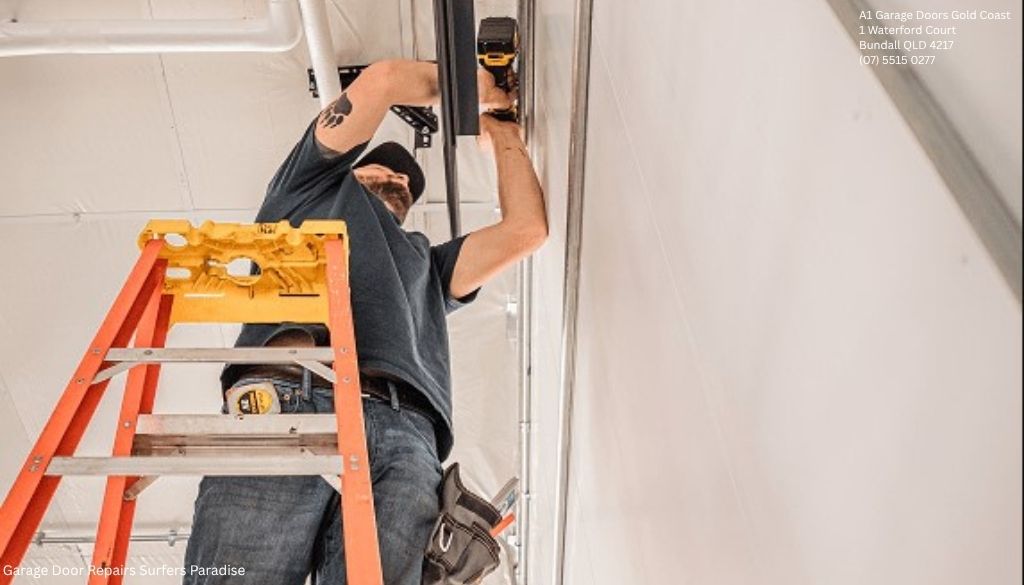
There is a common temptation to deal with garage door servicing as something to do just when a fault appears. Already, wear may currently have actually progressed. Springs lose balance. Tracks wander out of alignment. Rollers come to be rough. Openers function tougher than they should. In storm-prone locations, that slow-moving deterioration issues because a door that is already having a hard time in fair weather condition is less likely to cope well when high winds or stress changes add additional stress.
Warranty considerations likewise strengthen the factor. Gliderol notes that stopping working to follow authorised servicing intervals might affect warranty protection, specifically for motorised elements. B&D in a similar way specifies that several of its household garage door and opener plans bring a 10-year Total Self-confidence Warranty, however only if serviced within the very first twelve month and then at least every 2 years. Those details are not marketing fluff. They reveal that producers see servicing as component of the item's working life, not an optional maintenance habit.
Repair or replace, a decision that should be made honestly
Not every weak garage door needs prompt substitute. Often a targeted repair service can recover risk-free, trusted procedure. A used spring can be replaced. A damaged wire can be dealt with. An opener fault might end up being a simple solution problem. In those situations, an experienced service technician can usually bring the system back into form without starting from scratch.
But there are times when replacement is the much better call, specifically if the door is old, rusty, or otherwise rated for neighborhood problems. If a building remains in a cyclone-prone location and the existing door predates current conformity expectations, a repair service may only delay the actual issue. The same is true if the door has recurring faults, noticeable deterioration, or a history of poor operation that no more inspires confidence.
This is where reasoning matters. A garage door that works "most of the time" is not the exact same point as a door that is storm-ready. Owners sometimes spend cash fixing a system that was never created to execute in the conditions it deals with. A far better investment can be to change the entire setting up with an effectively rated door and matching hardware, particularly when the existing system is coming close to completion of its functional life.
What a professional evaluation must look at
A detailed garage door assessment is more than a glance at whether the door opens up and closes. It must consider the age of the door, any type of indicators of rust or exhaustion, the problem of springtimes and cords, the state of the opener, and whether the entire system is appropriate for the website's wind exposure. In coastal or cyclone-prone locations, it must likewise think about whether the door abides by the pertinent wind-rated standard and whether there is evidence of servicing at the right intervals.
For strata supervisors and commercial homeowner, the stakes can be even greater since one fell short door can affect multiple great deals, saved tools, or service procedures. Industrial garage door fixings specifically demand to be approached with caution and appropriate documentation. A huge door in a work environment is not simply a larger variation of a household door. It might undergo larger biking, more regular use, and greater repercussions if it stops working during serious weather condition or a power interruption.
That is why specialist examinations are best dealt with as component of a prepared durability approach. They identify powerlessness prior to the climate does. They also aid owners decide whether the best feedback is fixing, upgrade, or full substitute. Uncertainty is costly when storms belong to the danger profile.
The tiny details that make a big difference
Storm strength typically boils down to information that appear small until they are not. A door that secures effectively is less most likely to rattle, flex, or admit water in heavy rainfall. A door that stays well balanced is less likely to stress its opener. Hardware that resists corrosion is most likely to hold its score in time. A servicing history that is in fact followed is better than a glossy new installation that has been neglected given that the day it was fitted.
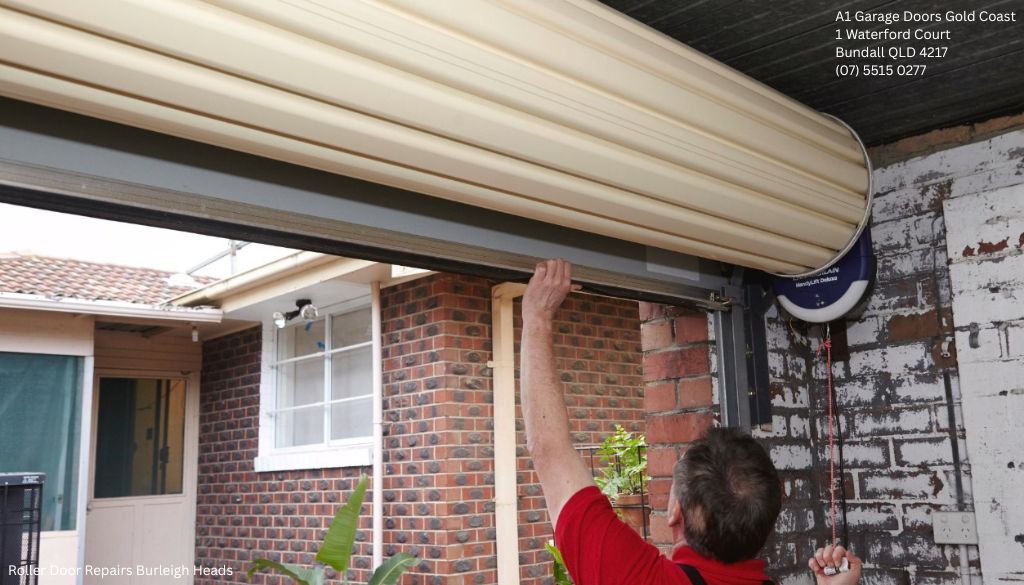
There is also the concern of behavior. Numerous owners only think of the garage door when it quits working. A much better behavior is to pay attention for changes in sound, seek very early signs of rust, and treat slow-moving procedure as a caution. If the door starts to think twice or the opener behaves in different ways, that is typically the moment to act. Waiting until the following storm period is seldom wise.
A sensible upgrade path typically begins with a simple concern: if high winds hit tomorrow, would certainly this door still behave as intended? If the answer is uncertain, the property most likely has space for enhancement. That renovation could be a brand-new wind-rated door, a far better opener, more robust equipment, or a maintenance program that takes the regional setting seriously. Often it is every one of those at once.
Building strength one opening at a time
Garage door upgrades do not receive the same interest as roof tie-downs or home window protection, yet they can make a substantial distinction to just how a home or organization weather conditions serious conditions. In Queensland, the conformity image is clear enough to make the problem impossible to neglect. Garage door standards, specifically AS/NZS 4505 where they apply, belong to the wider framework that aids structures stand up to cyclone problems. A certified door installed correctly and maintained correctly is even more than a comfort garage door installation thing. It is a protective system.
For homeowners, the most effective initial step is generally a frank analysis of the existing door and its history. For strata supervisors and local business owner, the task is wider, since numerous openings, greater usage, and higher repercussions make strength preparation even more crucial. Either way, the logic coincides. A storm-resilient garage door is not chosen once and failed to remember. It is chosen carefully, mounted appropriately, serviced on a regular basis, and replaced before age and deterioration turn it into a liability.
That is the real value of upgrading. It is not just that a far better door might survive a tornado extra gracefully. It is that the entire structure stands a much better chance of remaining undamaged when the climate gets rough, which is worth even more than the cost of the hardware.